Faraway Does Not Happen by Accident
There is no supply truck coming down the road.
There is no road.
Everything that makes Faraway possible has to get there somehow. The food, the fuel, the boats, the fishing gear, the spare parts, and just about anything else you can imagine needing to run a lodge sitting way out in the Caribbean.
And none of it gets there by accident.
Long before guests begin their journey, another expedition is already underway.
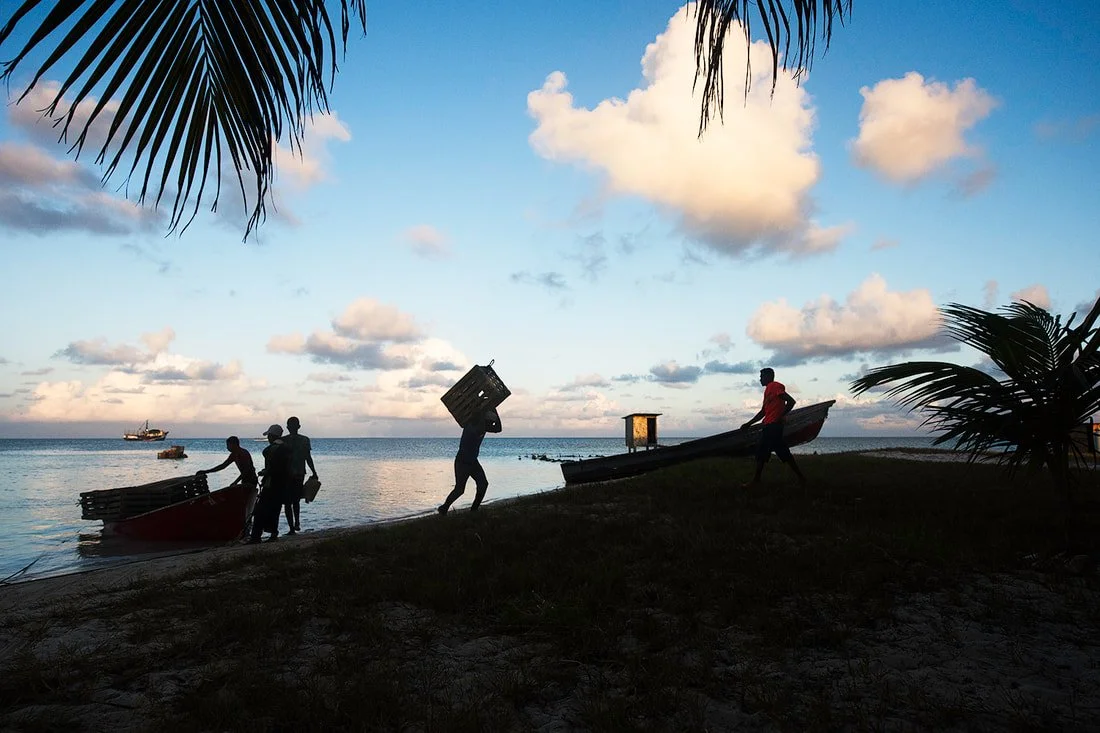
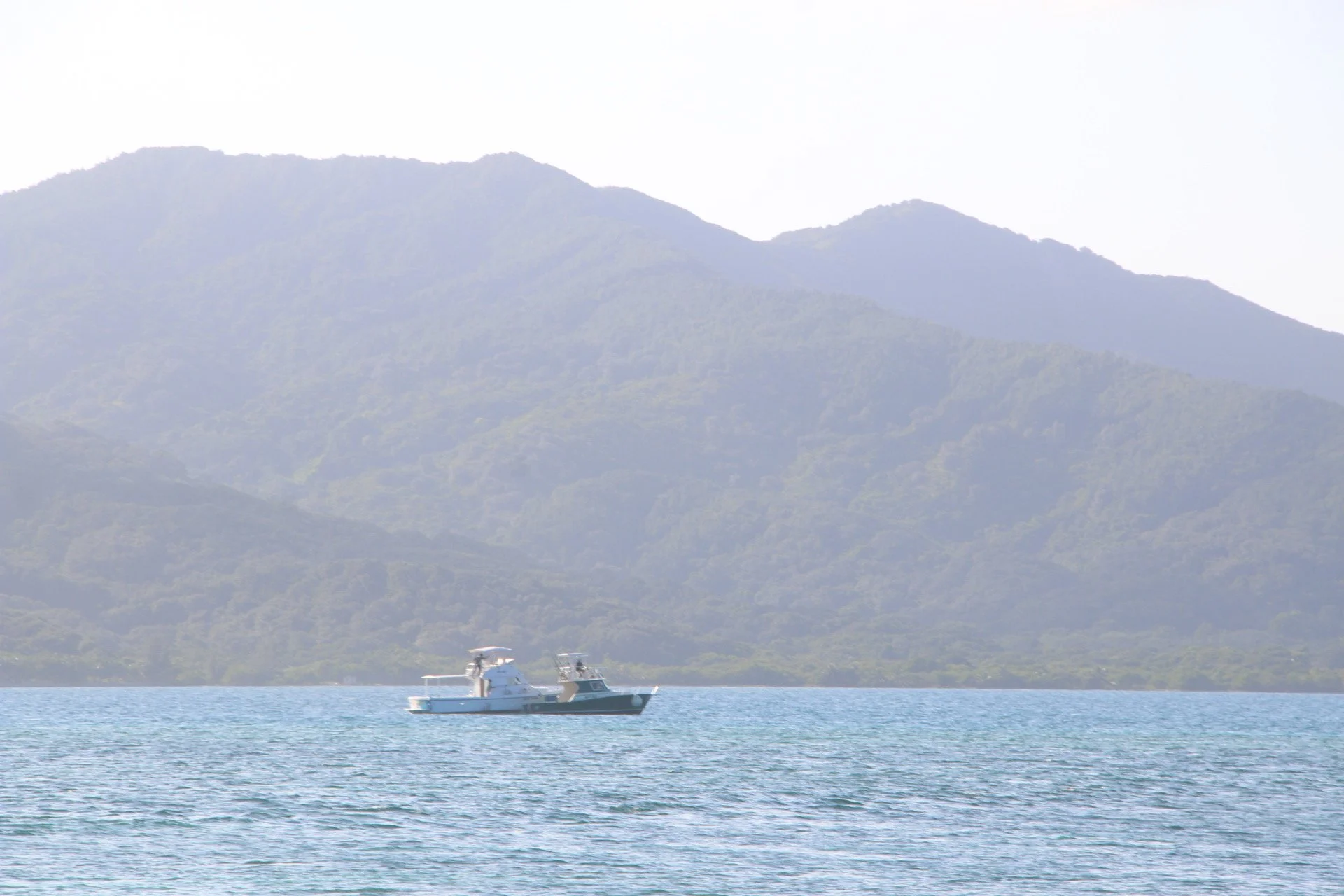
In Guanaja, our team is loading the mother ships with everything needed for the months ahead. Food, fuel, equipment, spare parts, and supplies are gathered, checked, and loaded. The trip can take more than 24 hours, with the pangas we'll fish from all week making the journey being towed with long lines behind them.
Think about that for a minute.
Before anyone makes their first cast, the boats and the people behind the operation have already put in a pretty serious journey of their own.
And that is just one part of it.
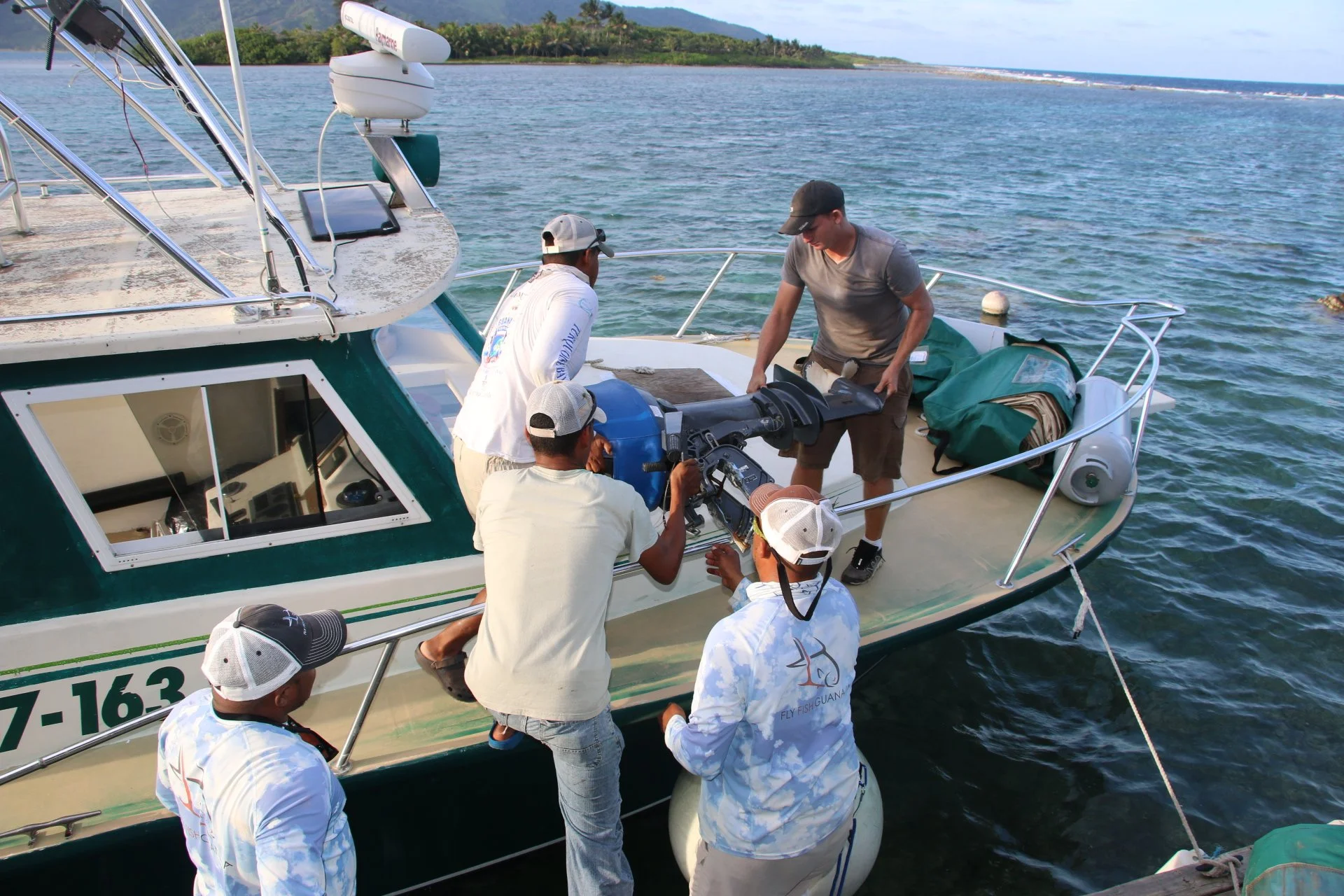
There are people working in Guanaja, where so much of the Fly Fish Guanaja family lives. Others helping along the way through Roatán and Puerto Lempira. Captains who know these stretches of open Caribbean, guides who have spent years learning these waters, cooks, lodge staff, boat crews, families and friends.
Someone is repairing an engine. Someone is loading fuel. Someone is figuring out how much food is needed for the week. Someone is solving a problem nobody else even knows exists yet.
And there is always something.
That's what happens when you operate this far from everything. You can't exactly run to the hardware store because you forgot a part.
But the story of Faraway goes back much further than our boats and supplies.
The outer banks and cayes have long been working waters for lobster and shrimp fishermen. People have been traveling and making their living out here for generations, long before fly anglers started showing up with rods and reels.
Even the ground beneath the lodge has a story.
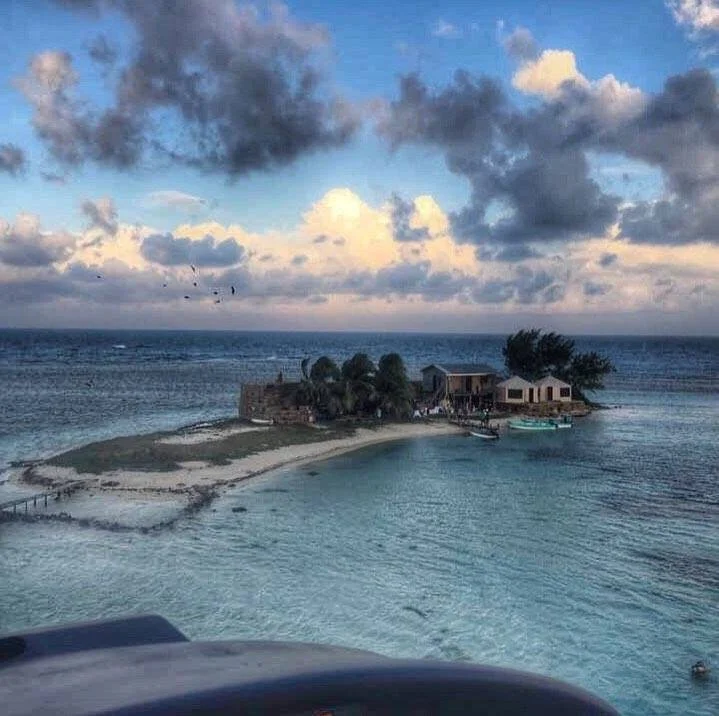
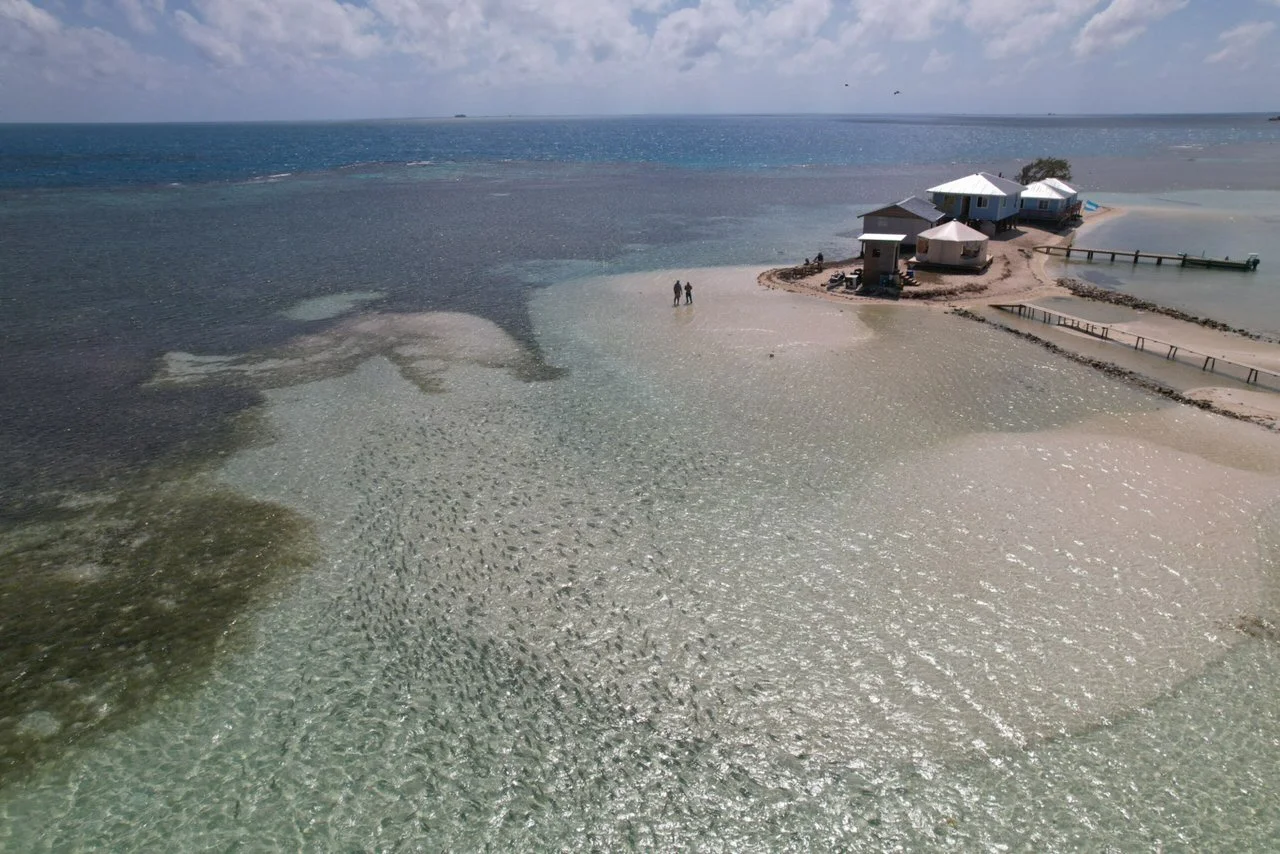
The little spit of land where Faraway sits was built by hand, bucket after bucket of sand, to create a place where fishermen could store their lobster traps.
Bucket after bucket.
Think about that.
Before anyone was standing here discussing permit and tides, somebody was carrying sand because they needed somewhere to stack lobster traps.
I love that part of Faraway's history. It reminds us that we're not the beginning of this story. We're just another chapter in a place that has been important to people for a very long time.
And Faraway itself has certainly had a few chapters.
In the early years, guests stayed in yurts. They did the job for a while, but weather, salt, and the reality of operating this far offshore eventually caught up with them.
As you can imagine, keeping a yurt together in the middle of the Caribbean is not exactly a low-maintenance undertaking.
Eventually, it made more sense to build simple cabins than to keep repairing what was already falling apart.
So the team built again.
And that is really how Faraway has grown. Not by trying to turn it into some enormous resort, but by solving the next problem, reinvesting in the place, and making life out here work a little better.
Today, fresh water comes through desalination. Power comes from the sun. Starlink keeps the camp connected to the outside world. Boats are maintained, supplies arrive, meals are prepared, and the next group of guests comes in.
There are also people and organizations working to protect these waters and the fishery, because being remote doesn't automatically mean a place will stay the way it is.
All of this takes work.
A lot of it.
But here's the funny thing.
When everything comes together, guests barely notice.
You wake up, grab a coffee, climb into a panga, and head out for the day. You fish, come back tired, take a shower, find a cold drink, and sit down to dinner.
Life feels pretty simple.
And that's exactly what so many people come here for.
What you don't see is the work behind it. The long crossings, the boats being loaded, the engines being repaired, the meals being prepared, and the countless little problems solved before anyone even knows there was a problem.
That's the remarkable thing about Faraway.
For guests, life gets wonderfully simple.
For the people who make it happen, there's nothing simple about it.
Faraway runs on boats, fuel, supplies, and a whole lot of problem-solving.
But what keeps it alive is people.