You get home from Guanaja, and before the bags are even unpacked, you’re already asking yourself how to get back.
Guanaja does that.
The fishing is part of it. Permit have a way of creating unfinished business, like the one that followed your fly, refused it, and disappeared over the edge of the flat. You might still be thinking about it while you’re unloading the dishwasher three months later. But then there’s the one that takes. You remember the guide saying, “There,” and scrambling to find the fish, then line leaving the reel and everybody suddenly getting a lot louder than they were ten seconds earlier.
But it goes deeper than the fish.
It’s the people. How kind and open everyone is, and how quickly you start to feel like you belong to the small community of Mangrove Bight. The guides you fished with all week, and the staff whose names you knew within the first few hours. The running joke that makes absolutely no sense when you try to explain it back home.
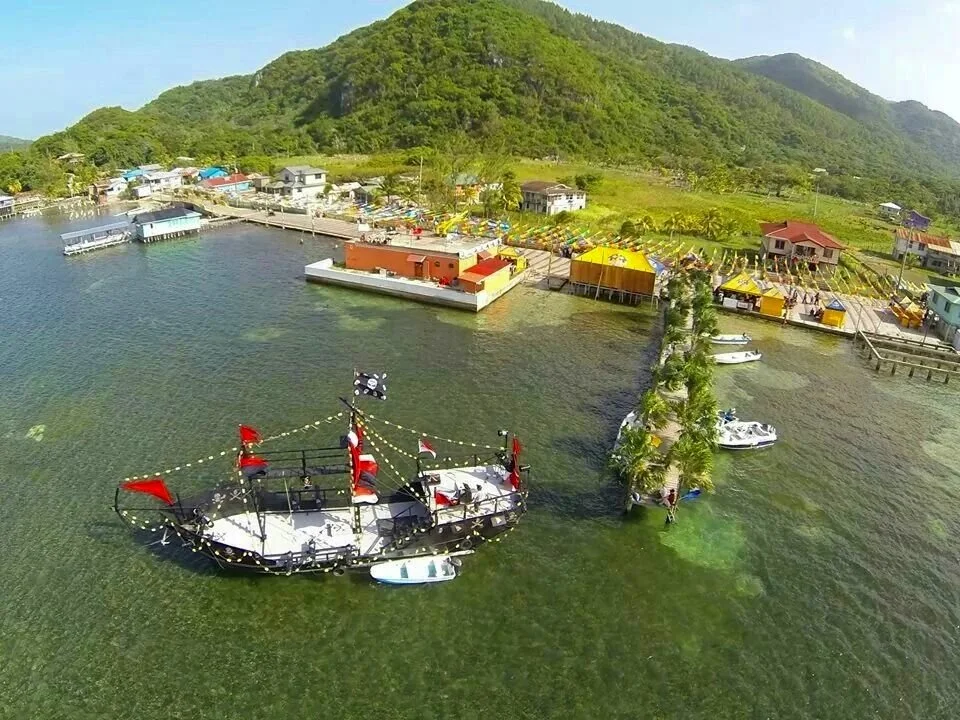
It’s the rhythm of the place: morning light on the water, boats pulling away, wet gear drying on every rail, and the kids telling you about the reef the second they step off the boat.
And the island catches you off guard, too. It’s quiet here in a way that settles you before the day has even started. You ride past a little town, look up, and there are mountains rising behind the water. And the water is an insane blue, with more shades than you can name.
Then there are the family days.
Picture this: the kids go snorkeling on the reef with Grandma and Mom while Dad and Grandpa take the boat out for some quality time on the flats. Somewhere in the middle of the day, the boats cross paths. The kids holler at Dad and Grandpa as they fly past on their way to another spot. Dad and Grandpa wave back like they’ve won something
That night, everyone gathers around the table with a different story, and somehow they all connect.
The next day, Grandma and Grandpa fish together, and it’s Grandma, the non-fisher of the family, who lands the tarpon. The dinner table erupts with pride. Nobody’s talking about the size of the fish. They’re talking about the smile on her face.
After dinner, the chef’s partner comes over for a gripping round of ping pong, or the whole group ends up on the dock trying to fish up whatever will bite.
Somewhere in all of that, a week turns into its own little world.
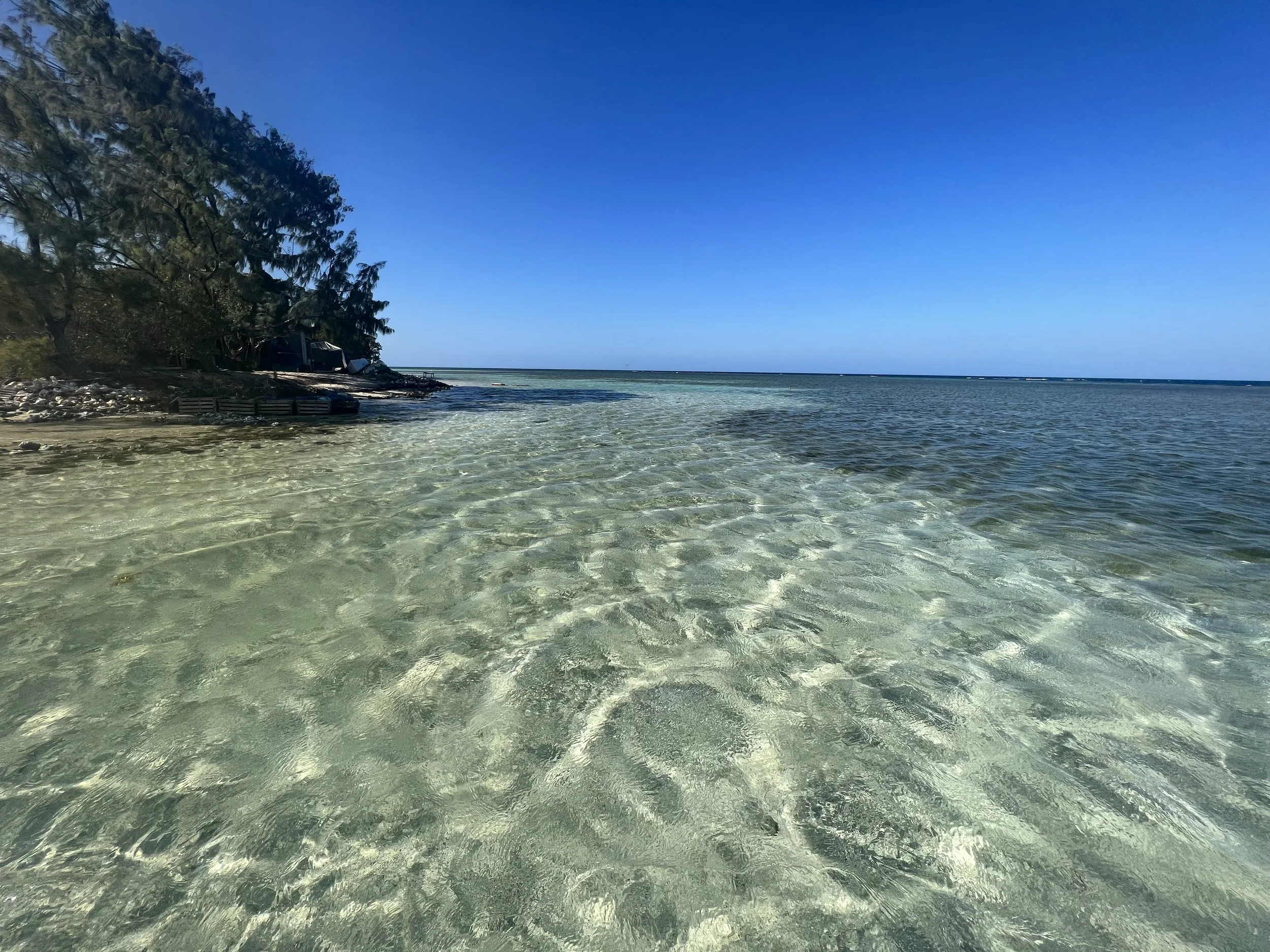
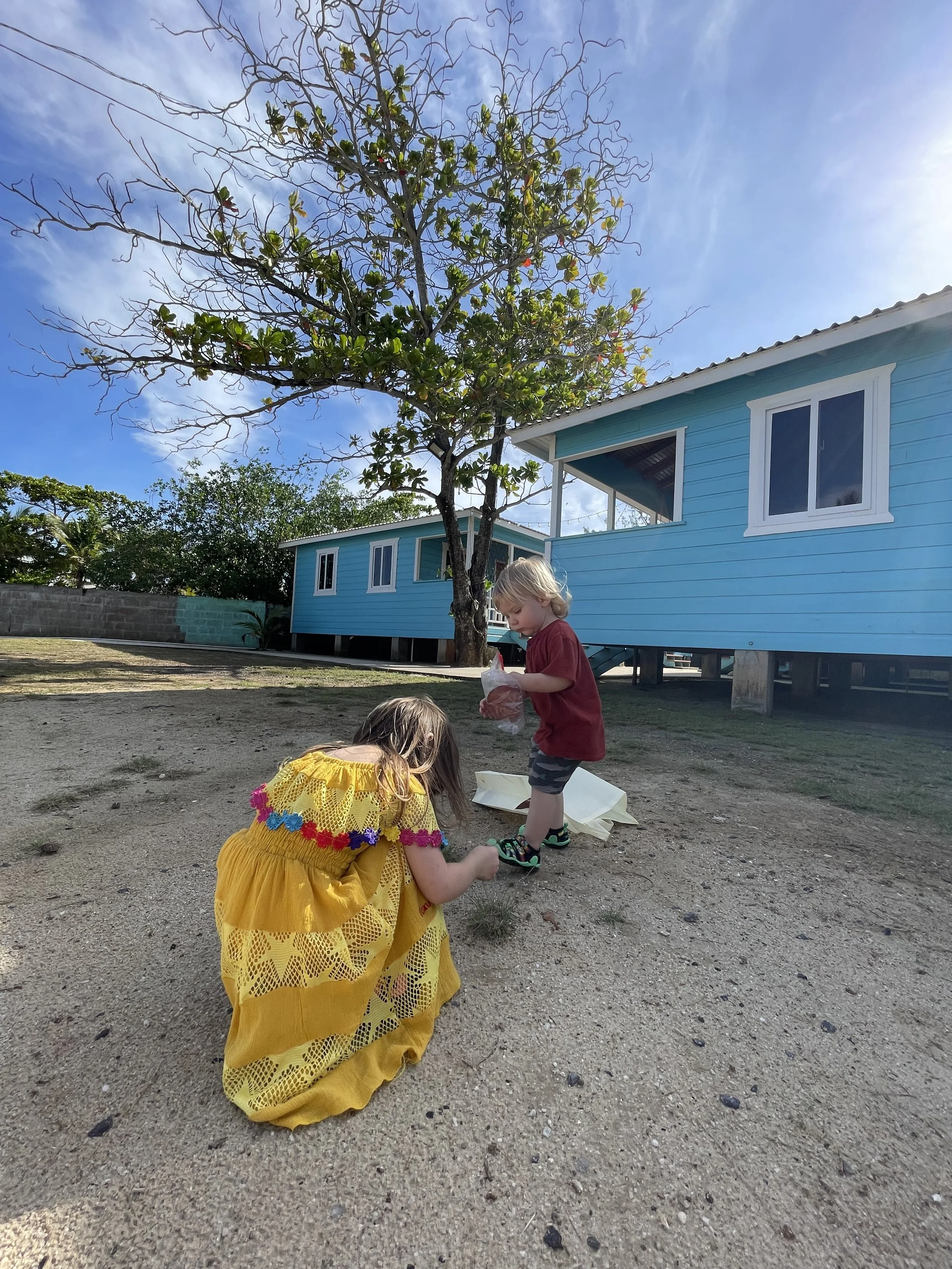
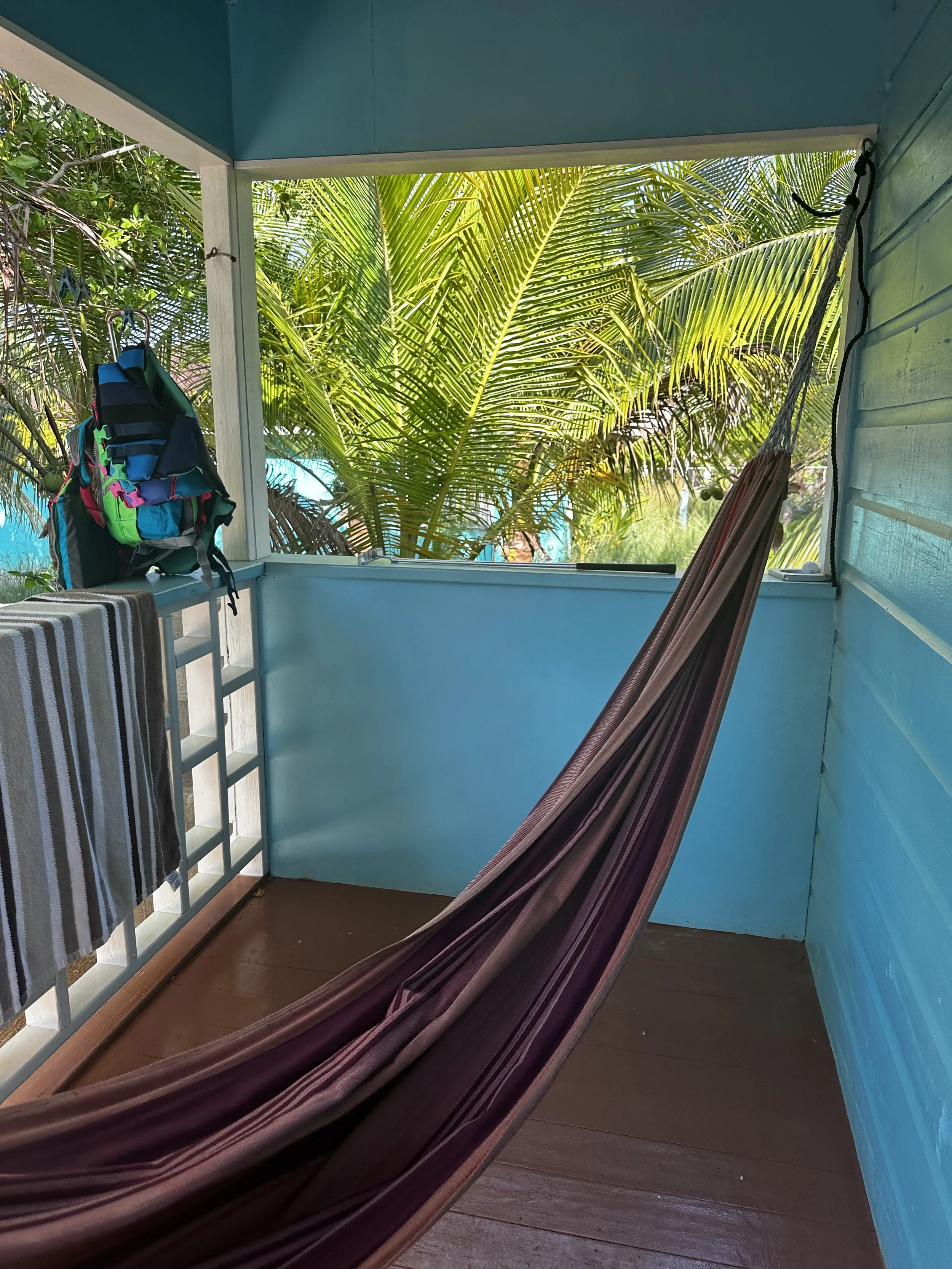
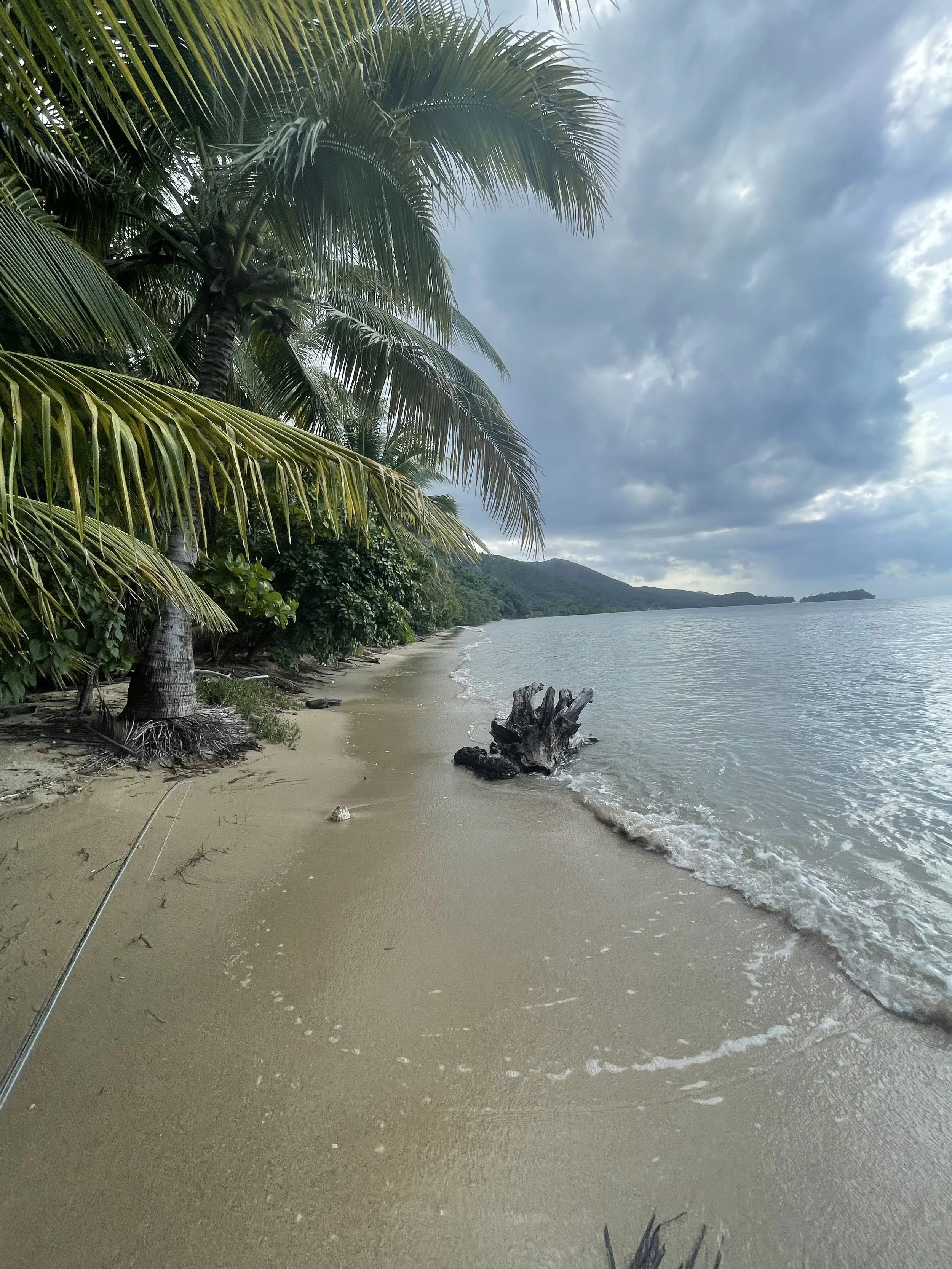
At home, everybody has somewhere to be. Here, the big questions are where the tide is, what the weather’s doing, and what’s for dinner. By the end of the week, you have a routine. You know who’s always early. You know which guide is going to give you a hard time about yesterday. You know there’s at least one fish out there you haven’t settled things with.
Then you go home, but Guanaja doesn’t stay behind.
A few weeks later, somebody sends a photo, a guide texts, or a permit shows up on your screen, and a friend says, “We should go back.” It sounds like the most reasonable idea anyone has had all day, and you were already thinking it. Even the kids are asking when they can go back and see all the friends they made.
It’s hard to explain to anyone who hasn’t been. You’re back at your desk, back in your routine, and part of you is still out on the water. Other trips fade. This one goes home with you.
The second trip won’t be the same as the first. The water will be doing something new, the fish will have other plans, and there will be a few new faces at the table. But the pull will be the same. Guanaja has an energy, a magnetism, and you understand it the moment you feel it.
The permit may be the reason you first found Guanaja. It’s rarely the only reason you find your way back.
And somewhere between the first trip and the second, you stop wondering why and start looking at dates.
